
Dawn Ascanio
Therapist + Therapeutic Coach

Painful or distressing experiences from the past can still affect your life today.
Maybe something bad happened to you and you've noticed that it’s shaping your reactions, relationships, or ability to focus and function day to day. You might notice...
-
You do whatever you can to avoid thinking about what happened, and you stay away from people, places, situations, or other things that remind you of it.
-
Your mind won’t let it go. Intrusive memories or thoughts may show up unexpectedly, you may have trouble concentrating, or sleep may be disrupted by nightmares or racing thoughts.
-
Your emotions feel harder to manage, and you often feel like you're in fight-or-flight mode. You might feel overwhelmed, irritable, anxious, numb, or like your emotional reactions don’t match the situation.
-
You feel more on edge than you used to—easily startled, jumpy, tense, or on guard—and your body may react even when you’re trying to stay calm.
-
You’ve pulled back from people or from parts of your life. Relationships may feel harder and trust may feel risky.
-
The experience has changed how you see yourself, other people, or the world. You may struggle with guilt or shame about what happened, or find it harder to experience joy, connection, or fulfillment.

Move forward without being held back by the past.
Trauma therapy can help reduce the hold that painful or distressing experiences continue to have on your life. As trauma-related symptoms become less intense, you may feel lighter, steadier, and more able to move through daily life without memories, reactions, or reminders taking up so much space.
Benefits

This work can help you:
-
Feel less hijacked by painful memories, so they don’t keep showing up unexpectedly or running the show.
-
Feel more steady day to day, with less anxiety, emotional overwhelm, or heaviness, and more of a sense of feeling like yourself again.
-
Experience fewer trauma-related symptoms, such as trouble sleeping, feeling on edge, avoidance, intrusive memories, or feeling emotionally shut down.
-
Carry less guilt or shame about what happened, with a more compassionate and balanced understanding of yourself and your experience.
-
Treat yourself with greater understanding and self-compassion, rather than responding to your reactions with self-judgment.
-
Feel less restricted by the past, with more freedom to engage in relationships, activities, places, and experiences that matter to you.
For some people, trauma can also contribute to patterns such as people-pleasing, over-functioning, or over-achieving. Therapy can help you understand whether those patterns are connected to what you’ve been through and develop more flexible ways of responding.
How I Help
The primary type of trauma-focused therapy a I offer is Written Exposure Therapy (WET), a brief, evidence-based treatment for PTSD and trauma-related symptoms.
Written Exposure Therapy is designed to help people reduce the lingering impact of traumatic or overwhelming experiences by gently and systematically working with the memories that continue to cause distress. It is a structured, time-limited treatment that typically takes place over 7–9 sessions, making it a good fit for people who want focused help without committing to open-ended therapy.
Research has shown Written Exposure Therapy to be effective in reducing trauma-related symptoms linked to a wide range of experiences, including childhood abuse, assault, sexual violations, combat, natural disasters, and accidents. Studies comparing Written Exposure Therapy with longer trauma treatments have found it to be comparable in effectiveness, with significantly lower dropout rates in several comparison studies.
People who have completed Written Exposure Therapy have described feeling that they have “turned a corner” in their healing. As treatment progresses, as though a weight has been lifted. You may feel less restricted in your life and less controlled by your memories.
If you’d like to learn more about how Written Exposure Therapy works, what sessions typically involve, who may be a good fit for it, and the symptoms of PTSD it can help with, you can read more here.
What Sets Me Apart
And makes me uniquely qualified to do trauma-focused therapy with you
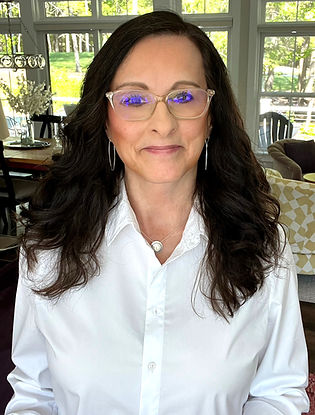
I bring nearly two decades of experience as a therapist to this work, along with specialized training in Written Exposure Therapy and a strong foundation in evidence-based, trauma-informed care. My style is compassionate, active, and grounded in reality, with a focus on helping you understand what you’re experiencing while also working toward meaningful change.
One thing I’ve learned throughout my years as a therapist is how important it is for people to understand that their reactions make sense in the context of what they’ve lived through.
Trauma can affect emotions, beliefs, relationships, attention, sleep, and the nervous system in ways that can feel confusing or even frightening. Part of my role is helping you make sense of those reactions while guiding you through a structured treatment designed to reduce their impact.
I work with adults who have experienced many different kinds of trauma, with a particular focus on supporting women who have experienced sexual assault, acquaintance rape, or childhood physical or emotional abuse or neglect.
I’m especially drawn to Written Exposure Therapy because it combines something I value highly in therapy: a compassionate relationship with a clear, focused treatment process. You’ll know what we’re working on, why we’re doing it, and what the treatment is designed to accomplish.
Frequently Asked Questions
What is trauma-focused therapy, and how is it different from trauma-informed therapy?
How do I know if I have PTSD?
Trauma-informed therapy means that a therapist understands how traumatic or overwhelming experiences can affect emotions, relationships, beliefs, behavior, and the nervous system, and takes that into account throughout treatment. I use a trauma-informed approach when I’m helping clients with concerns such as people-pleasing, self-doubt, low self-esteem, perfectionism, or over-functioning. Trauma-focused therapy goes a step further by working directly with the traumatic experience and the symptoms connected to it. The goal is to reduce the impact of the trauma itself, including symptoms such as intrusive memories, avoidance, feeling on edge, emotional distress, or negative beliefs related to what happened. When I provide trauma-focused therapy, I primarily use Written Exposure Therapy (WET), a structured, evidence-based treatment for PTSD and trauma-related symptoms.
It can be difficult to tell on your own whether you have PTSD. While it can be helpful to learn about the symptoms, determining whether you meet the diagnostic criteria is something to do with a qualified mental health professional. Most people experience some stress reactions after a traumatic event, and many recover naturally over time. If symptoms continue, cause significant distress, or interfere with your daily life, a mental health professional can help determine whether you meet the criteria for PTSD. Even if you don’t meet the full diagnostic criteria, trauma-related symptoms can still be painful and disruptive, and you can still benefit from help. PTSD symptoms generally fall into four areas: •Intrusion or re-experiencing: unwanted memories, nightmares, flashbacks, or intense emotional or physical reactions when something reminds you of what happened. •Avoidance: trying not to think or talk about the trauma, or avoiding people, places, activities, conversations, or situations that remind you of it. •Changes in thoughts and mood: negative beliefs about yourself, other people, or the world; guilt or shame; feeling detached from others; losing interest in things you once enjoyed; or having difficulty experiencing positive emotions. •Changes in arousal and reactivity: feeling on guard or easily startled, irritability or anger, difficulty concentrating or sleeping, or engaging in risky or self-destructive behavior. To meet the diagnostic criteria for PTSD, symptoms must follow exposure to actual or threatened death, serious injury, or sexual violence, persist for more than a month, and cause significant distress or problems with day-to-day functioning. Exposure can sometimes occur indirectly as well, such as witnessing the event or learning that a traumatic event happened to a close friend or family member. If you’re wondering whether your symptoms may be related to PTSD, feel free to schedule a consultation. We can talk through what you’re experiencing and whether trauma-focused therapy or Written Exposure Therapy may be a good fit for you.
Is EMDR the best treatment for trauma and PTSD?
Can trauma-focused therapy be effective online?
EMDR is an evidence-based treatment for PTSD, but it isn’t the only effective option. Several trauma-focused psychotherapies have strong research support, including Cognitive Processing Therapy (CPT), Prolonged Exposure Therapy (PE), EMDR, and Written Exposure Therapy (WET). These treatments approach trauma somewhat differently. **CPT** focuses largely on thoughts and beliefs related to the traumatic experience. **PE** uses repeated exposure to traumatic memories and situations that have been avoided. **EMDR** involves focusing on traumatic memories while engaging in bilateral stimulation, such as guided eye movements. **WET** uses structured writing about the traumatic experience to reduce the distress and avoidance connected to the memory. Written Exposure Therapy is a well-researched, evidence-based treatment and has been found to produce outcomes comparable to both CPT and PE in randomized clinical trials, while requiring fewer treatment sessions. There isn’t one trauma therapy that is best for everyone. When choosing a treatment, it can help to consider the research, what the therapy actually involves, how much time it requires, and which approach feels like the best fit for you.
Yes. Trauma-focused therapy can be effective when provided through secure video sessions, and Written Exposure Therapy in particular has been successfully studied and delivered through telehealth. Research has found WET to be similarly effective when provided remotely by video as when it is delivered in person. I am trained in providing Written Exposure Therapy through telehealth and offer trauma-focused therapy online to adults throughout Maine.